
First-time pass rates hover around 60–70% nationally. Here is what separates the students who clear it the first time from those who have to go back.
Every year, thousands of cosmetology graduates walk into their state board licensing exam believing their classroom hours are enough. Some of them are right. Many are not. The written theory section alone trips up a significant chunk of first-time candidates, and the practical exam—where one sanitation slip can mean an automatic disqualification—ends the run for many others who were technically skilled but underprepared for the format.
What the 2026 Exam Actually Tests
The National-Interstate Council of State Boards of Cosmetology (NIC) administers the licensing exam across most U.S. states. In 2026, the exam structure places greater emphasis on scientific concepts—anatomy, chemistry, and infection control—than many students expect coming straight out of school. The written portion covers four core domains: Scientific Concepts, Hair, skin, and nails, with scientific concepts now accounting for close to 40 percent of the total score.
Updated 2026 standards also introduce more rigorous infection control questions. Candidates are now expected to distinguish clearly between sanitation, disinfection, and sterilization and to demonstrate knowledge of current OSHA guidelines around chemical safety, including the proper reading of Safety Data Sheets. This is not the era of just memorizing the difference between a tint and a bleach—you need to understand the science underneath the technique.
Quick tip
Several states, including California, Texas, and Maryland, updated their Candidate Information Bulletins in early 2026. Always download the most current version for your specific state before you start studying. The CIB is the closest thing you will get to a blueprint of exactly what will appear on your exam.
The Practical Exam: Where Good Students Get Tripped Up
The cosmetology practical exam has a 20 to 40 percent first-attempt failure rate depending on the state, and the most common reason for failure has nothing to do with technique. It is sanitation. Examiners are watching your habits, not just your results. Forgetting to sanitize your hands after touching your kit—even briefly—can fail an entire section regardless of how clean the haircut looks. One critical safety mistake is an automatic disqualification in most states.
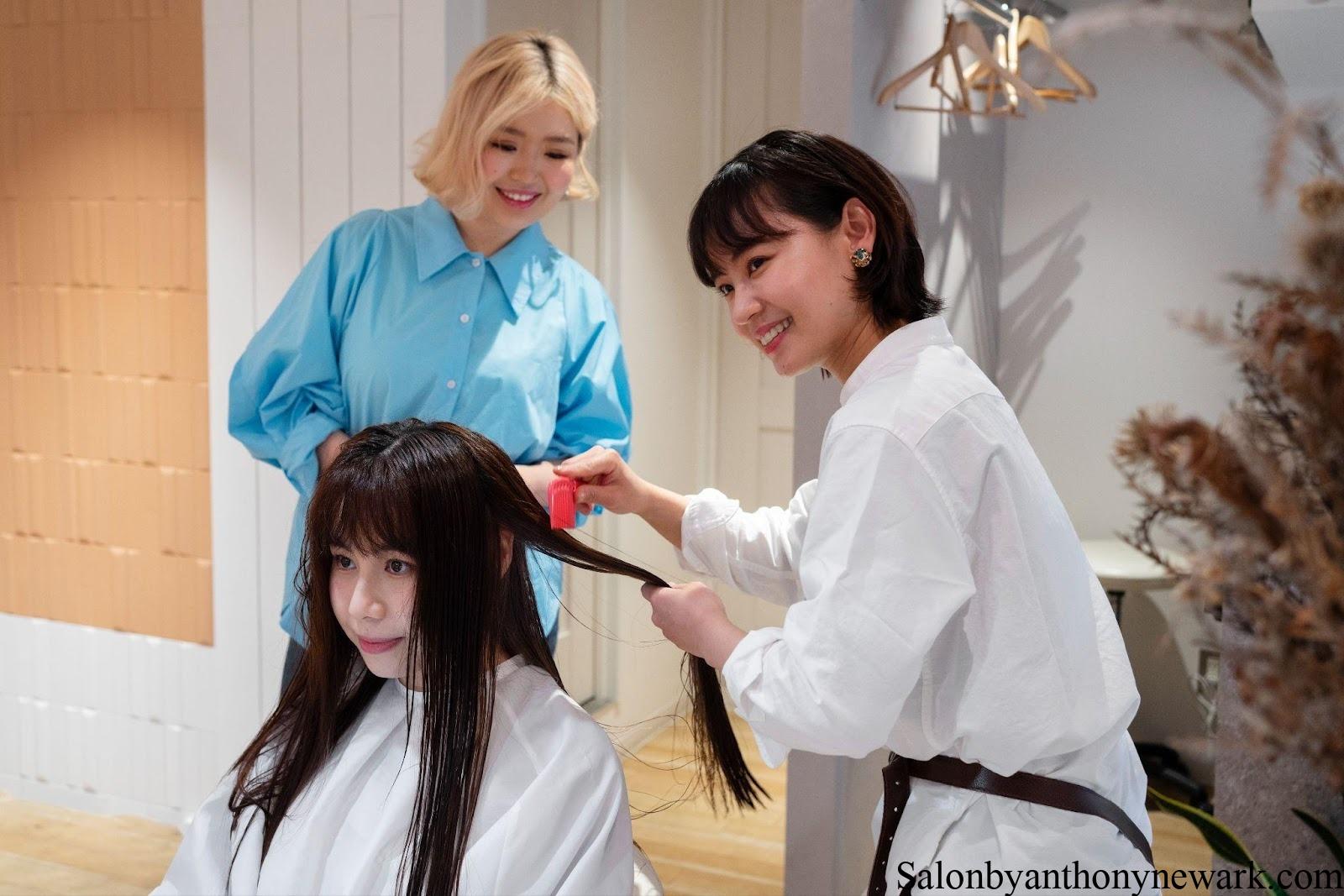
The practical exam tests approximately ten timed services, including haircutting, chemical applications, thermal styling, wet styling, facial procedures, and manicures. Each must be performed in a strict sequence. within time limits, and with proper infection-control protocols followed throughout. The best way to prepare is to run mock practical exams using your actual kit and a mannequin, timing yourself on every service, and treating each run as if a proctor is in the room.
How to Study Smart, Not Just Long
Consistency beats cramming every time. Most exam prep coaches recommend 30 to 60 minutes of daily study broken into mixed formats—some reading, some flashcards, and some timed multiple-choice practice. Rotating between the four NIC topic areas rather than deep-diving one at a time helps you build balanced strength across the exam.
Practice tests are the single most effective tool available to cosmetology candidates. They do two things simultaneously: they reveal the exact knowledge gaps you need to close before test day, and they train your brain to retrieve information under timed, test-format pressure—which is a fundamentally different cognitive task than simply rereading your Milady textbook. Students who take a full-length cosmetology practice test regularly before their exam consistently report higher confidence and better recall on the actual test day.
For candidates looking for structured, exam-aligned practice questions, the cosmetology state board practice test at PracticeTestGeeks offers realistic multiple-choice questions that reflect the NIC format. Working through these kinds of tools helps you get comfortable with the phrasing and style of questions before you’re sitting in the testing center for real.
Study schedule that works
Four weeks out: focus on scientific concepts and infection control. Three weeks out: rotate through Hair, Skin, and Nails modules. Two weeks out: full-length timed practice tests, review all wrong answers. Final week: daily 30-minute refreshers, two full mock practical exams. Night before: light review only; lay out your kit.
State-Specific Rules You Cannot Ignore
While the NIC exam is standardized, states layer their own requirements on top. New York uses a modified exam format separate from the NIC standard. Texas updated its examination procedures for 2026 with enhanced infection control requirements. California eliminated the practical exam entirely back in 2022, meaning candidates there only need to pass the written section. Before you spend a single hour studying, confirm exactly which components your state requires and check whether any state-specific law questions are included—some boards add a separate written exam covering licensing regulations, renewal timelines, and continuing education requirements.
The Mindset Going In
There is a version of exam anxiety that is useful it keeps you sharp and attentive. There is another version that shuts down recall and makes familiar material feel foreign. The antidote to the second kind is familiarity with the test format itself. The more practice tests you have sat through, the less the proctored environment feels threatening. Students who treat mock exams as seriously as the real thing—same time constraints, same kit setup, same no-phone rule—tend to walk into the actual test feeling like they have already done it before.
The cosmetology state board exam is not designed to trick you. It is designed to verify that you can practice safely and competently. If you have done the hours, covered the theory, and practiced with a quality cosmetology exam practice resource. The test should feel like confirmation of what you already know not a surprise. Prepare with that frame in mind, and your odds of passing the first time go up considerably.
Disclaimer
The information provided in this article. “How to Pass the Cosmetology State Board Exam in 2026. What Actually Works,” is intended for general educational and informational purposes only. While every effort has been made to ensure accuracy. Exam structures, requirements, and passing criteria may vary by state and are subject to change without notice.
This content does not constitute official guidance from any licensing authority, including the National-Interstate. Council of State Boards of Cosmetology (NIC) or individual state cosmetology boards. Readers are strongly encouraged to consult their specific state board’s official website and Candidate Information. Bulletin (CIB) for the most current and accurate exam requirements.
 Salonbyanthonynewark