
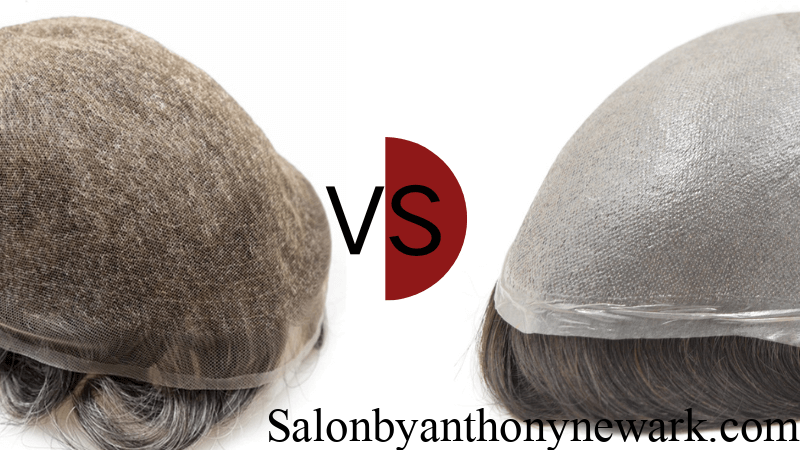
Hair loss affects millions of men worldwide, and for many, a non-surgical hair system has become one of the most effective and natural-looking solutions available today. Modern hair systems are designed to restore confidence while delivering a realistic appearance that blends seamlessly with natural hair. However, when researching the best option, many people quickly encounter an important question: Should you choose a lace hair system or a skin hair system?
Both options are widely used in the men’s hair replacement industry, and each comes with unique advantages. Understanding the differences between these two base types can help you choose the best hair system for men, based on your lifestyle, comfort preferences, and maintenance routine.
What Is a Lace Hair System?
A lace hair system uses fine-mesh lace as the base. Individual strands of hair are hand-tied to the lace with tiny knots, creating a lightweight, breathable structure.
The two most common types of lace used in hair systems are:
● Swiss lace
● French lace
Swiss lace is known for being extremely thin and almost invisible against the scalp, making it one of the most natural-looking hair system bases available. However, because it is delicate, it requires careful handling. French lace, on the other hand, is slightly thicker and more durable. While it may not be quite as invisible as Swiss lace, it offers a better balance between realism and longevity.
Many premium hair system suppliers, including Superhairpieces, offer both Swiss and French lace options, allowing users to choose the level of durability and realism that suits them best.
Advantages of Lace Hair Systems
Lace hair systems have remained among the most popular options for men due to several key benefits.
Natural Hairline
One of the biggest advantages of lace systems is their ability to create an incredibly realistic hairline. When properly installed with professional adhesive, the lace base blends into the skin, making it nearly invisible. This creates the illusion that hair is growing directly from the scalp. For men who prefer styles that expose the hairline, lace systems are often the top choice.
Excellent Breathability
Lace bases are highly breathable because of their mesh structure.
Air can easily pass through the material, keeping the scalp cool and comfortable. This makes lace systems especially ideal for:
● Hot climates
● Active lifestyles
● Gym and sports activities
● Daily wear
For men who sweat frequently or live in warm environments, breathability can make a significant difference in comfort.
Lightweight Comfort
Another reason many users prefer lace is its ultra-lightweight feel. Because the material is so thin, it sits gently on the scalp without creating pressure or heaviness. Many wearers say they quickly forget they are even wearing a hair system. This level of comfort is one reason lace systems remain a favorite among experienced hair system users.
Disadvantages of Lace Hair Systems
Despite their many advantages, lace systems also have a few downsides. First, the delicate mesh material requires more careful handling. Rough cleaning or improper installation can shorten the system’s lifespan. Cleaning adhesive from lace bases can also take a bit longer than from other base types.
Additionally, because lace is thinner, it may have a slightly shorter lifespan compared to thicker base materials.
However, many wearers feel that the realism and comfort of lace systems easily outweigh these minor drawbacks.
What Is a Skin Hair System?
A skin hair system uses a thin polyurethane (PU) base that closely resembles the human scalp.
Instead of a mesh material, this base is made from a smooth transparent layer designed to mimic the appearance of real scalp. Hair is attached to the base using several different ventilation methods, including:
● V-loop ventilation
● Injected hair
● Knotted hair
Skin hair systems come in different thickness levels. Ultra-thin versions can be as thin as 0.03 mm, creating an extremely natural appearance.
Many modern hair system suppliers, including Superhairpieces, offer a wide range of skin base thicknesses, allowing users to balance durability and realism.
Advantages of Skin Hair Systems
Skin hair systems have gained popularity in recent years due to their natural look and easy maintenance.
Most Realistic Scalp Effect
One of the biggest advantages of thin skin hair systems for men is the realistic scalp effect they create. Because the polyurethane base resembles real skin, it creates the illusion that hair is growing directly from the scalp. This makes the system extremely difficult to detect.
For people who prefer shorter hairstyles or visible hairlines, skin systems can produce impressive results.
Easy Maintenance
Skin bases are generally easier to clean compared to lace.
Adhesive can be removed more quickly because the base surface is smooth. This makes skin systems especially popular among users who prefer to maintain their hair systems themselves.
DIY users often find that skin bases simplify
the cleaning and reattachment process. Ideal for Short Hairstyles Skin hair systems work particularly well for short or modern hairstyles. Because the base mimics the scalp’s appearance, it allows for styling options, such as shorter hair or slight separation, without revealing the base.
Disadvantages of Skin Hair Systems
Although skin systems offer excellent realism, they also come with a few limitations. One of the main drawbacks is reduced breathability. Since polyurethane is a solid material, it does not allow air to pass through as easily as lace. This can make the system feel slightly warmer, particularly in hot weather or during intense physical activity. Ultra-thin skin bases may also be more delicate and can tear more easily if not handled carefully. For users living in warm climates or those with very active lifestyles, breathability may become an important factor to consider.
Which Hair System Should You Choose?
Choosing between a lace hair system and a skin hair system ultimately depends on your lifestyle, comfort needs, and styling preferences.
You may prefer a lace hair system if you want:
● Maximum breathability
● Lightweight comfort
● Better airflow during workouts
● A natural hairline for everyday wear
On the other hand, a skin hair system may be the better option if you want:
● The most realistic scalp appearance
● Easier cleaning and maintenance
● A smooth base for short hairstyles
● A beginner-friendly system
Both systems can deliver outstanding results when properly installed and maintained.
Hybrid Hair Systems: The Best of Both Worlds
For men who want the advantages of both base types, hybrid hair systems are another excellent option.
Hybrid designs combine different materials in strategic areas of the base. Common examples include:
● Lace top with poly perimeter
● Lace front with mono center
● Skin perimeter with lace center
These hybrid hair systems provide a balanced combination of breathability, durability, and realism, making them a versatile choice for many users.
Final Thoughts
When it comes to lace vs skin hair systems, there is no universal “best” option. Both types offer impressive realism and have helped thousands of men restore their hair and confidence. Lace hair systems are known for their breathability, comfort, and natural hairline, making them perfect for active lifestyles and warm climates. Skin hair systems, on the other hand, provide an ultra-realistic scalp appearance and easier maintenance, which appeals to many beginners and DIY users. The best choice ultimately depends on your personal preferences, styling habits, and daily routine.
By understanding the strengths of each base type and exploring options from trusted suppliers like Superhairpieces, you can confidently choose the best hair system that fits your lifestyle and delivers the natural look you want.
Disclaimer
The content provided in “Lace vs Skin Hair Systems: Which One Is Better?” is for informational and educational purposes only. It is not intended as medical, dermatological, or professional hair restoration advice. Individual results with hair systems may vary depending on scalp condition, hair type, lifestyle, and maintenance habits. Readers should consult a licensed professional or hair restoration specialist before purchasing or applying any hair system.
Mention of specific brands, such as Superhairpieces, is for illustrative purposes only and does not constitute endorsement. The author and publisher disclaim any liability for injury, adverse reactions, or dissatisfaction resulting from the use of products, adhesives, or installation methods discussed in this article.