
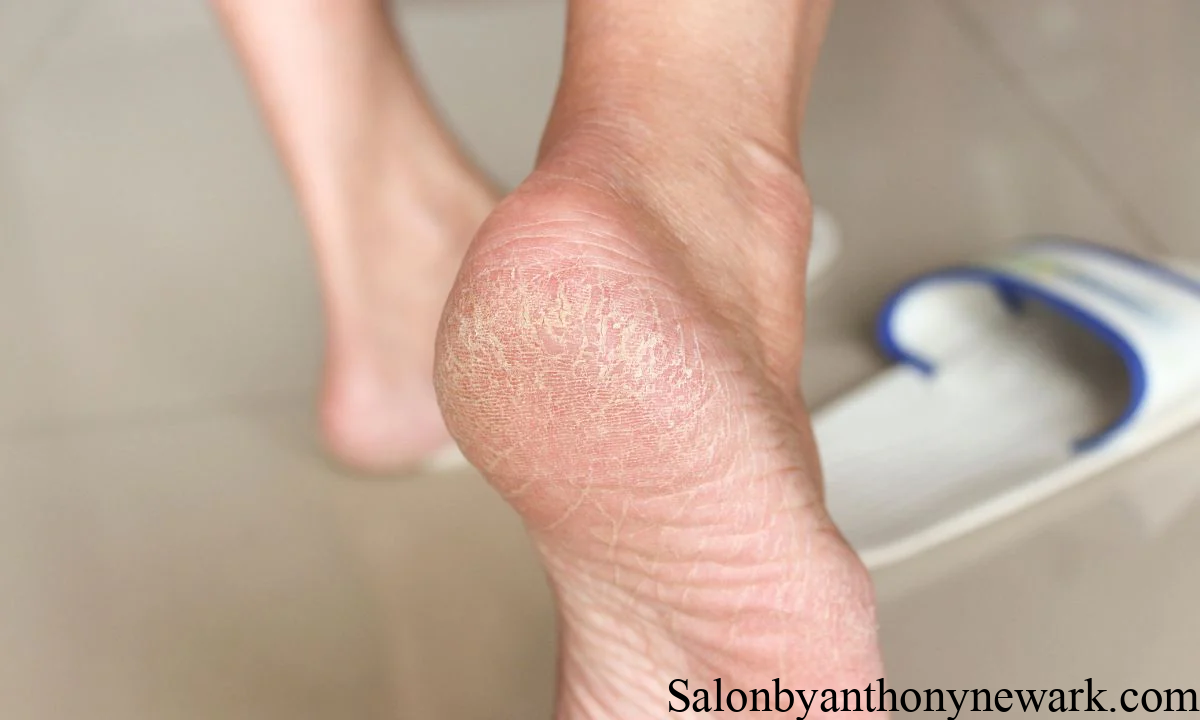
Cracked heels are one of the most common foot care concerns we see at Beauty Nails Spa. While many people think cracked heels are simply a cosmetic issue, they can become painful, uncomfortable, and difficult to manage if left untreated. In most cases, cracked heels develop when dry skin loses its elasticity and is placed under constant pressure from standing, walking, or wearing unsupportive footwear. Over time, the skin around the heel becomes thick, rough, and eventually splits.
The good news is that cracked heels are often preventable with proper foot care, regular moisturization, and professional treatments when needed.
What Causes Cracked Heels?
Cracked heels occur when the skin surrounding the heel becomes excessively dry and thick. As pressure from daily activities causes the heel to expand, the skin can no longer stretch properly and begins to crack.
At Beauty Nails Spa, we frequently notice that clients with cracked heels often have a combination of dry skin, callus buildup, and prolonged pressure on their feet.
Lack of Moisture
Dry skin is the leading cause of cracked heels. Unlike other areas of the body, the heel contains fewer oil glands, making it more susceptible to dehydration.
Common causes of dry skin include:
- Cold weather
- Indoor heating
- Air conditioning
- Hot showers
- Inadequate moisturization
When the skin becomes too dry, it loses flexibility and is more likely to crack.
Callus Build-Up
Calluses are thickened areas of skin that develop as a protective response to pressure and friction.
Although calluses help protect the skin, excessive buildup can become hard and inflexible. As the heel expands while walking, thick callused skin may split, leading to painful cracks.
Standing for Long Hours
People who spend most of the day on their feet are more likely to develop cracked heels.
We often see this among:
- Healthcare workers
- Teachers
- Retail employees
- Restaurant staff
- Warehouse workers
Continuous pressure can weaken the skin around the heel and contribute to fissure formation.
Aging Skin
As we get older, the skin naturally loses moisture, collagen, and elasticity.
This makes mature skin more prone to:
- Dryness
- Thickening
- Callus formation
- Cracked heels
Open-Back Shoes and Sandals
Open-back footwear provides little support for the heel.
When wearing flip-flops or sandals, the heel can expand sideways while walking. This repeated movement increases stress on the skin and may contribute to cracking.
Obesity and Increased Heel Pressure
Additional body weight places greater pressure on the heel pad.
As pressure increases, the skin around the heel stretches outward, making cracks more likely to develop, especially when the skin is already dry.
Medical Conditions
Some health conditions may increase the risk of cracked heels, including:
- Diabetes
- Eczema
- Psoriasis
- Thyroid disorders
- Athlete’s foot
Individuals with these conditions should pay close attention to foot health and seek professional advice if cracks become severe.
Poorly Fitting Shoes
Shoes that are too tight, too loose, or lack proper support can increase friction and pressure on the heels.
Over time, this may lead to dry skin, callus buildup, and heel fissures.
Nutritional Deficiencies
Skin health depends on proper nutrition.
Deficiencies in nutrients such as:
- Iron
- Zinc
- Vitamin A
- Vitamin E
may contribute to dry skin and slower skin repair.
Genetics
Some people naturally develop thicker skin or calluses around their heels due to genetics.
If cracked heels run in your family, consistent foot care may be necessary to prevent recurring issues.
Common Symptoms of Cracked Heels
Early signs often include:
- Dry skin around the heel
- Rough or flaky patches
- Tightness when walking
- Thickened skin or calluses
As the condition progresses, symptoms may include:
- Visible cracks
- Pain when standing
- Itching
- Redness
- Bleeding
- Difficulty walking
How to Prevent Cracked Heels
Moisturize Daily
Applying a rich foot cream daily helps maintain hydration and skin elasticity.
Look for products containing:
- Urea
- Shea butter
- Glycerin
- Lactic acid
Exfoliate Regularly
Removing dead skin can help prevent thick calluses from forming.
A gentle foot file or professional callus treatment can improve skin texture without damaging healthy skin.
Wear Supportive Footwear
Choose shoes that provide proper heel support and cushioning.
Avoid wearing worn-out shoes or open-back sandals for extended periods if you are prone to cracked heels.
Stay Hydrated
Proper hydration supports healthy skin throughout the body, including your feet.
Schedule Regular Foot Care
One of the most effective ways to prevent cracked heels is through routine professional foot care.
Regular maintenance can help remove hard skin before it becomes severe.
Professional Treatments for Cracked Heels
Home remedies can help with mild dryness, but professional treatments often deliver faster and longer-lasting results.
At Beauty Nails Spa, we commonly recommend:
Spa Pedicures
A professional spa pedicure helps:
- Remove dead skin
- Soften rough heels
- Improve hydration
- Maintain healthy feet
Callus Reduction Treatments
Excessive callus buildup is one of the leading causes of cracked heels.
Professional callus care safely reduces thick skin and helps prevent future cracking.
Deep Moisturizing Foot Treatments
Intensive hydration treatments help restore moisture to severely dry feet and improve skin elasticity.
Why We See More Cracked Heels During Illinois Winters
Many clients from Champaign, Urbana, Savoy, and surrounding communities notice their heels become significantly drier during the colder months.
Low humidity, indoor heating, and seasonal weather changes can strip moisture from the skin, increasing the likelihood of heel fissures.
This is one reason why regular pedicures and foot care treatments are especially important during fall and winter.
When Should You Seek Professional Help?
Consider professional treatment if:
- Cracks are painful
- Bleeding occurs
- Home remedies are not helping
- Cracks keep returning
- You have diabetes or circulation issues
Early treatment can help prevent complications and improve comfort.
Frequently Asked Questions
Can cracked heels heal on their own?
Mild cracks may improve with daily moisturization and proper foot care, but deeper cracks often require more consistent treatment.
Can a pedicure help cracked heels?
Yes. Professional pedicures can help remove dead skin, reduce calluses, and improve hydration, making them beneficial for managing cracked heels.
How often should I get a pedicure for cracked heels?
Most clients benefit from professional foot care every 4–6 weeks, although frequency may vary depending on skin condition and lifestyle.
What is the fastest way to improve cracked heels?
A combination of daily moisturizing, gentle exfoliation, supportive footwear, and professional foot care usually produces the best results.
Restore Softer, Healthier Feet at Beauty Nails Spa
Cracked heels are often caused by dry skin, pressure, callus buildup, and lifestyle factors. Fortunately, regular foot care and professional treatments can help keep your heels smooth, healthy, and comfortable.
If you’re dealing with rough, dry, or painful heels, our Spa Pedicure and Callus Treatment services are designed to help restore moisture, improve skin texture, and keep your feet looking their best. Book your appointment today and give your feet the care they deserve.
Disclaimer
The information provided in this article is for educational and informational purposes only and is not intended as medical advice, diagnosis, or treatment. While we strive to provide accurate and up-to-date information, individual health conditions and skin concerns may vary. Readers should consult a qualified healthcare professional, podiatrist, or physician regarding any medical concerns, persistent symptoms, or conditions affecting their feet.
Beauty Nails Spa does not guarantee specific results from any treatment or service mentioned in this article. Professional foot care services are intended to support foot health and comfort but should not replace medical care when needed. If you have diabetes, circulation problems, infections, severe pain, bleeding, or other underlying health conditions, seek medical attention before undergoing any foot treatment.
 Salonbyanthonynewark